ARTICLE
Cream cheese is a soft, mild-tasting fresh cheese made from a mixture of milk and cream. It has a smooth, spreadable texture and is commonly used in both sweet and savory dishes. Here’s everything you need to know about cream cheese:
Key Features:
-
Texture: Smooth, creamy, and spreadable (when softened).
-
Flavor: Mild, slightly tangy, and rich due to its fat content.
-
Fat Content: Typically around 33% milkfat (varies by brand and type).
-
Color: White or pale yellow.
Common Uses:
-
Cheesecakes – A key ingredient in classic New York-style cheesecake.
-
Frostings & Desserts – Used in cream cheese icing for cakes, cupcakes, and red velvet desserts.
-
Dips & Spreads – Mixed with herbs, spices, or sweeteners for bagels, crackers, or vegetable dips.
-
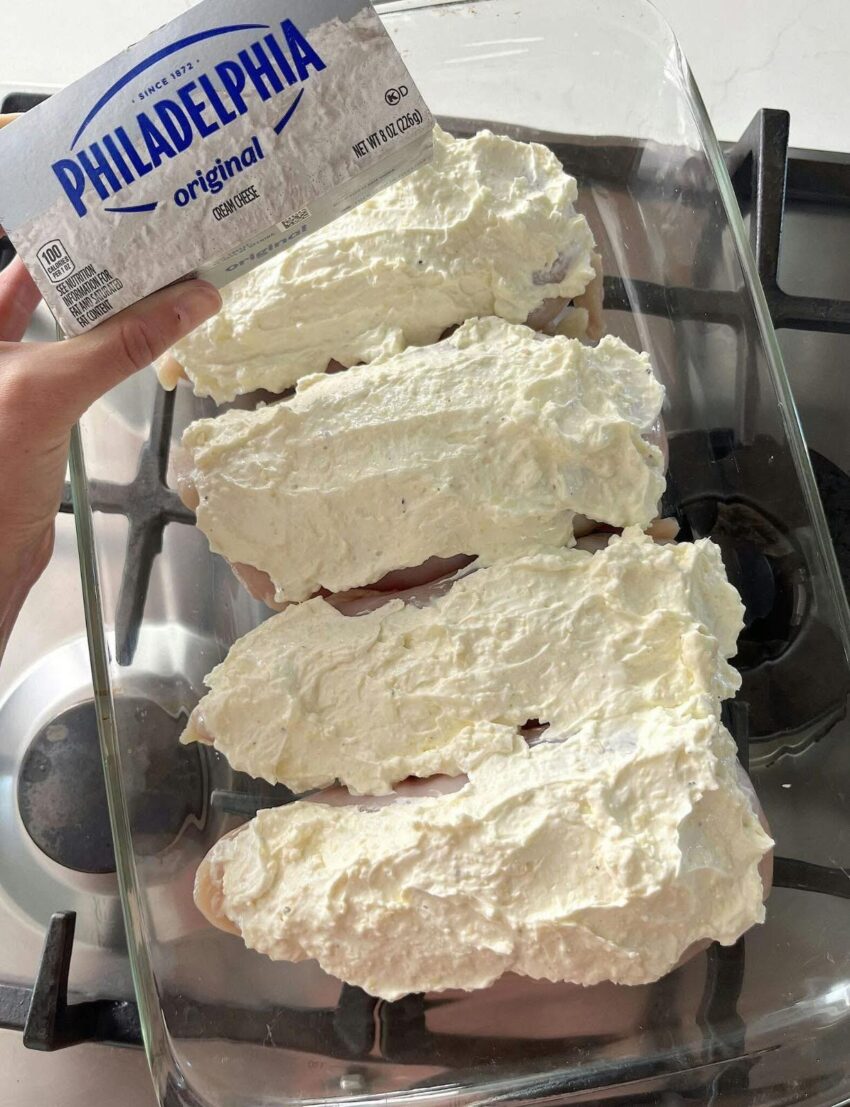
Savory Dishes – Added to pasta sauces, stuffed chicken, or mashed potatoes for creaminess.
-
Baking – Used in cookies, muffins, and Danish pastries.
Types of Cream Cheese:
-
Regular (Full-Fat): Rich and creamy, best for desserts and spreads.
-
Reduced-Fat or Light: Lower in calories but may be less creamy.
-
Whipped: Easier to spread, often fluffier due to added air.
-
Flavored: Comes in varieties like chive & onion, strawberry, or cinnamon.
-
Non-Dairy/Vegan: Made from almonds, soy, or coconut milk for lactose-free diets.
Storage & Shelf Life:
-
Unopened: Can last 2–3 weeks past the “sell-by” date in the fridge.
-
Opened: Consume within 7–10 days (keep tightly sealed).
-
Freezing: Possible (texture may become grainy; best for cooking/baking after thawing).
Popular Brands (U.S.):
-
Philadelphia (most well-known)
-
Organic Valley
-
Kraft
-
Store brands (Kroger, Trader Joe’s, etc.)
Substitutes (if unavailable):
-
Mascarpone (richer, less tangy)
-
Ricotta + Yogurt/Sour Cream (blended for similar texture)
-
Neufchâtel (lower fat, slightly grainier)
-
Greek Yogurt (for dips/spreads, but less creamy)
Would you like a recipe or tips for using cream cheese? 😊